Furnace Ignitor Replacement Cost in 2026: What You Pay, What the Part Costs and the Test That Proves It
Replacing a furnace ignitor typically costs $100 to $250 with parts and labor, about $175 on average nationally, and the part alone is $15 to $100 (HomeGuide). Angi says the ignitor fails more than any other furnace part. Before paying for one, make sure it is the ignitor: power reaching it and no glow is the proof.
Quick answer (checked November 21, 2026)
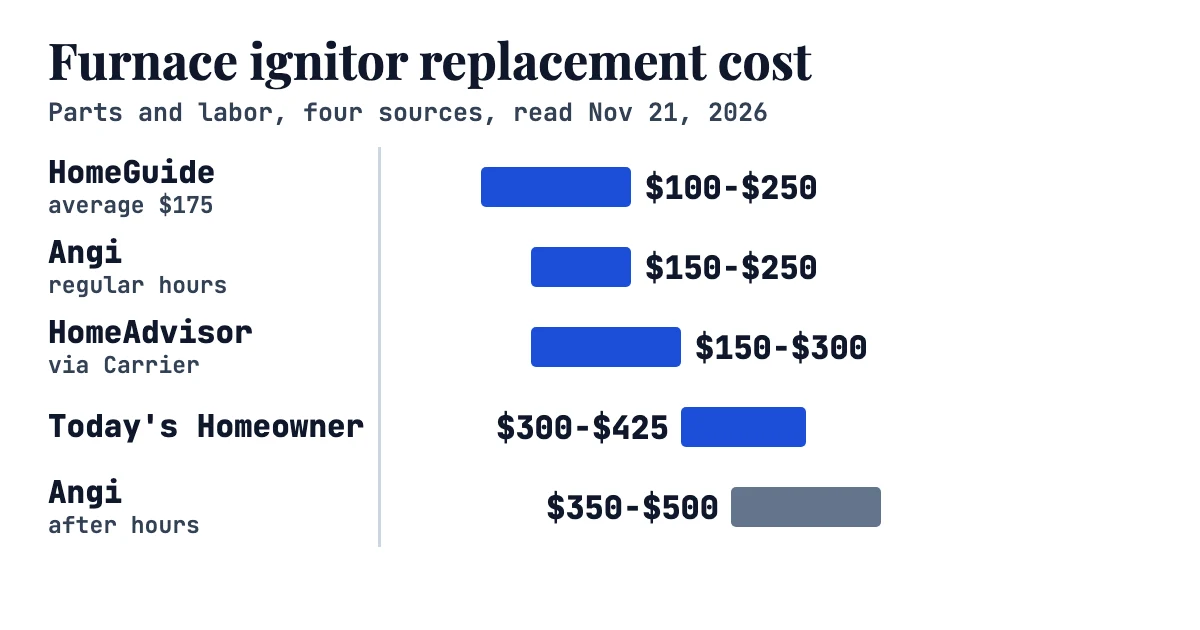
- Typical price: $100 to $250 installed, $175 national average (HomeGuide); $150 to $250 (Angi); $150 to $300 (HomeAdvisor via Carrier).
- After hours: $350 to $500 (Angi).
- The split: $15 to $35 for a universal part, up to $100 for an original manufacturer part, and $80 to $200 for labor (HomeGuide).
- Proof it is the ignitor: 115 volts at the ignitor during warm-up and no glow (Carrier service guide).
- How long a new one lasts: 3 to 7 years on average (HomeGuide).
National market figures, not a Dimatic Control quote. No published source we found prices this job for New Jersey alone.
What an Ignitor Replacement Bill Is Made Of
The ignitor is a small part. In HomeGuide's figures, labor ($80 to $200) costs more than a universal part ($15 to $35), and both ends of its range are higher than the $20 to $100 for an original part. The time of the call matters too: HomeGuide lists a $75 to $200 minimum service fee that includes the first hour, and $140 to $210 an hour after hours.
| Line item | Range | Source |
|---|---|---|
| Universal hot surface ignitor (the part) | $15 - $35 | HomeGuide |
| Original manufacturer ignitor (the part) | $20 - $100 | HomeGuide; Today's Homeowner puts a typical part at about $25 - $50 |
| Labor to replace it | $80 - $200 | HomeGuide |
| Minimum service fee, first hour included | $75 - $200 | HomeGuide |
| After-hours labor rate | $140 - $210 an hour | HomeGuide |
| Labor only, part covered by a manufacturer's warranty | $200 - $350 | Today's Homeowner |
Sources: HomeGuide (September 5, 2023) and Today's Homeowner (updated April 9, 2025).
HomeGuide names what pushes a bill up: an original manufacturer part instead of a universal one, new wiring and mounting brackets along with the ignitor, metropolitan labor rates, which typically cost more than rural ones, and a furnace that is hard to reach or needs an emergency visit.
Four Published Price Ranges, Side by Side
The four sources we read do not agree. Three of them put a regular-hours replacement between $100 and $300; Today's Homeowner is the outlier at $300 to $425.
HomeGuide: $100 - $250
September 5, 2023. National average $175; $90 lowest and $400 highest reported.
Angi: $150 - $250
Updated September 25, 2026. Regular hours. After hours: $350 - $500.
HomeAdvisor, as published by Carrier: $150 - $300
No date on Carrier's page. From its list of standard furnace components and their average replacement costs.
Today's Homeowner: $300 - $425
Updated April 9, 2025. The highest of the four; the part itself about $25 - $50.
For scale, Angi puts the average furnace repair of any kind at $318 from 27,763 projects, with most homeowners paying $133 to $505 (Angi). Angi's own ignitor range, $150 to $250, falls inside it.
Is It Really the Ignitor? Watch the Start-Up
A gas furnace lights in a set order. This is the sequence in Carrier's service guide for its two-stage furnaces (Carrier Form 58-3T). The timings below are Carrier's for that furnace.
- The thermostat calls for heat and the inducer fan starts, then runs a 15-second purge.
- The hot surface ignitor is powered for a 17-second warm-up and glows orange or yellow.
- The gas valve opens and the burners light off the hot ignitor.
- The furnace has to prove the flame. If it cannot, the control tries again: Carrier's control makes 4 attempts, about a minute apart, then locks out.
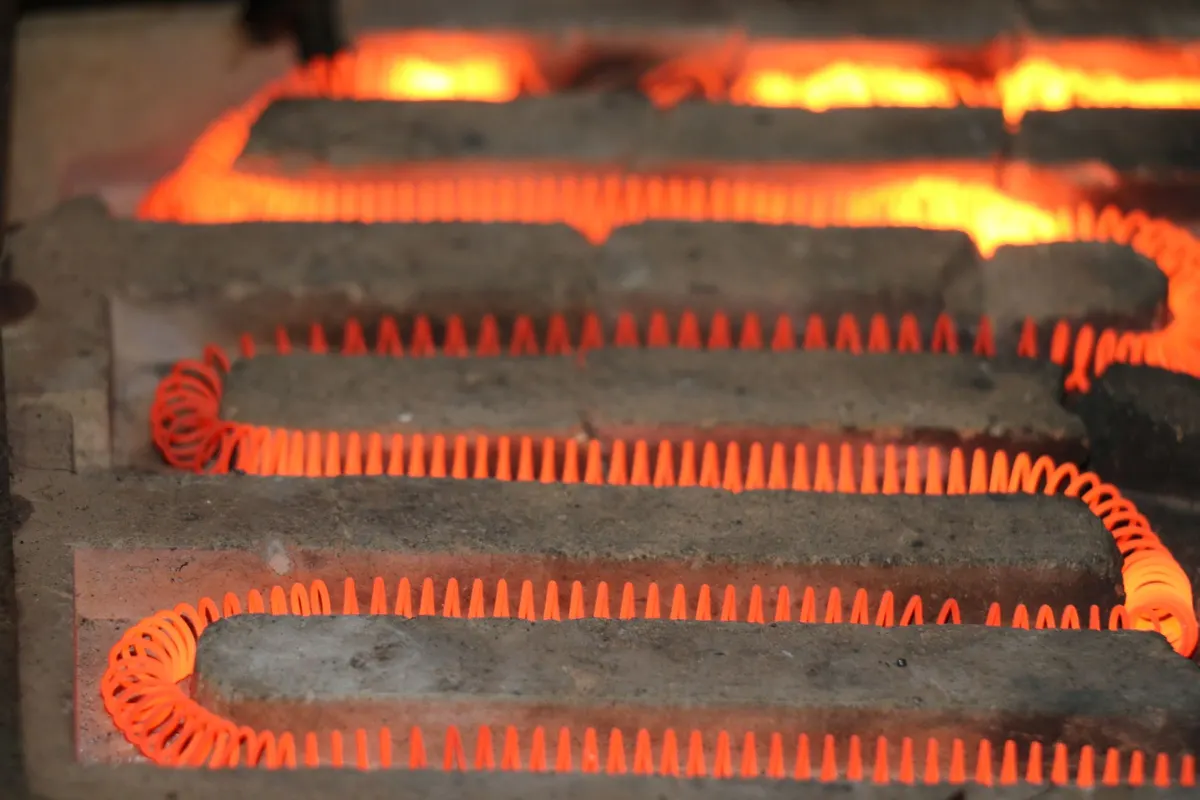
If the inducer runs and the purge ends but nothing glows, either the ignitor has failed or power is not reaching it. A technician makes two checks before replacing it:
- Voltage at the ignitor. Carrier's rule: if 115 volts is present at the ignitor and it does not glow, replace the ignitor; if not, check the 115-volt wiring to it.
- Resistance, power off. On Carrier's two-stage furnace a new ignitor reads 40 to 90 ohms cold, and the reading rises over its life. HVAC School says an open reading (OL) means a crack, and a reading above the maker's rating, often about 90 ohms for silicon carbide, can mean it is near the end (HVAC School). Use the figure in your own furnace's manual.
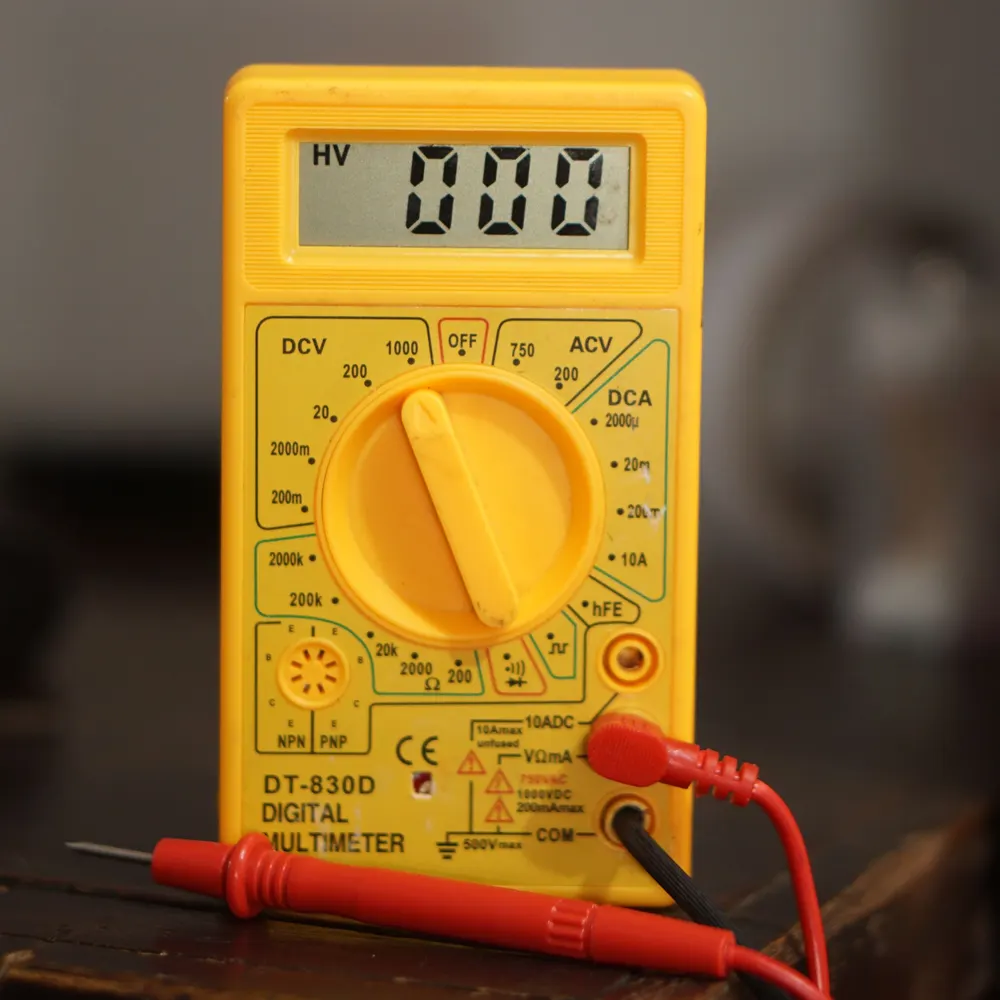
HVAC School advises against pulling a silicon carbide ignitor out just to look at it. It is brittle and can break when handled, which turns a test into a replacement.
Four Other Faults That Stop the Same Start-Up
A furnace that will not light is not always an ignitor job. These four faults stop the same start-up, and some cost more. The prices are HomeAdvisor's, as Carrier publishes them (Carrier). Our gas furnace won't ignite guide walks through the wider list of causes.
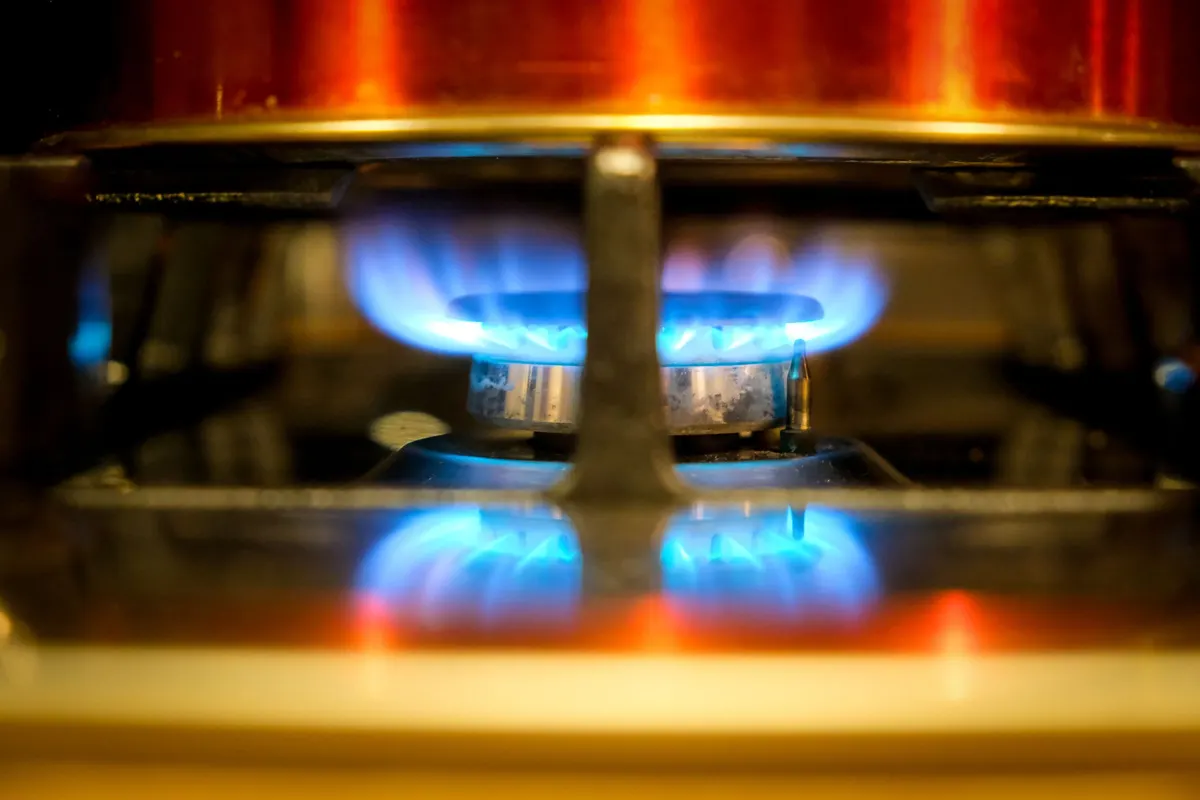
The ignitor glows, but the burners never light
A glow shows power is reaching the ignitor, so the checks move on to the gas: in Carrier's troubleshooting chart, when 24 volts reaches the gas valve and no gas flows, the next checks are the gas supply pressure and then the valve itself. A glowing ignitor is not cleared for good: HVAC School says the furnace will not ignite if not enough of its heat meets the gas. HomeAdvisor's range for a gas valve, as Carrier publishes it, is $200 to $1,000. Our gas valve replacement cost guide covers the voltage and pressure tests.
The burners light, then go out after a few seconds
The burners lit, so the ignitor lit the gas; the control then could not prove the flame. Carrier's list for this fault (status code 34, ignition proving failure) includes oxide on the flame sensor and its current, the gas valve, low gas pressure and a defective ignitor. HomeAdvisor's range for a flame sensor is $75 to $250 (Carrier). See our flame sensor guide.
Nothing happens after the thermostat calls for heat
In Carrier's sequence the inducer fan starts and runs a 15-second purge before the ignitor is powered at all. If the inducer never runs, the ignitor is never asked to glow. HomeAdvisor's range for a draft inducer motor is $200 to $1,500. Our inducer motor cost guide explains that part of the start-up.
No power reaches the ignitor
Carrier's rule is simple: if 115 volts is present at the ignitor and it does not glow, replace the ignitor; if the voltage is not there, check the wiring to it. In Carrier's step-by-step checks, when the furnace control itself puts out no 115 volts during the warm-up, the next step is replacing the control. HomeAdvisor's range for a furnace control board is $200 to $600. Our control board cost guide covers that case.
Silicon Carbide or Silicon Nitride: Which Ignitor You Have
HVAC School describes the two materials hot surface ignitors are made of. It says an original replacement part can be found most of the time, and a failed silicon carbide ignitor may be upgraded to silicon nitride (HVAC School):
- Silicon carbide: more common in older furnaces, with a rough, speckled surface, often flat. It is very brittle and can break while being handled or after many uses.
- Silicon nitride: more common in newer furnaces, usually a smoother rod or strip. It is more durable, heats up faster, uses less energy and lasts longer.
White-Rodgers' HotRod universal ignitors are silicon nitride. The HotRod kit replaces more than 170 ignitor applications, and the HotRod EX more than 275, including most silicon carbide ignitors. Each kit comes with two mounting brackets, two ceramic wire nuts and a mounting screw, and carries a 5-year limited warranty (White-Rodgers).
The catch is mounting. HVAC School says silicon nitride ignitors tend to have less surface area than silicon carbide ones, so a replacement has to sit where the gas meets it, or the furnace will not light. A universal part ($15 to $35) costs less than an original one ($20 to $100) in HomeGuide's figures (HomeGuide). HVAC School calls silicon nitride the choice material for universal replacements, such as White-Rodgers' HotRod, and a silicon nitride replacement needs the careful mounting described above.
How Long an Ignitor Lasts, and When to Replace the Flame Sensor Too
- HomeGuide: an ignitor lasts 3 to 7 years on average, and most furnaces outlast their ignitors. On furnaces over 7 years old, it suggests asking for the ignitor and flame sensor to be replaced together, to prevent an emergency fix later.
- Today's Homeowner makes the same suggestion for furnaces 10 years old or older, as part of routine maintenance.
- Angi: regular maintenance keeps the ignitor clean and reduces how often it fails. Dimatic Control's furnace services include maintenance and tune-ups.
Carrier's advice on repairing or replacing weighs the furnace's age and its history of service and maintenance: it expects a furnace to last fifteen to thirty years and suggests looking more seriously at replacement once it is 15 or older (Carrier).
Warranty: Who Pays for the Part, Who Pays for the Labor
- HomeGuide: most warranties cover parts for 1 to 3 years, not the labor to replace them.
- Today's Homeowner: a furnace manufacturer's warranty is usually 10 years and most likely does not cover labor. With the part covered, it puts the labor at $200 to $350.
- White-Rodgers: a 5-year limited warranty on its HotRod universal ignitor.
Doing It Yourself: What the Sources Say
The part alone is $15 to $100 in HomeGuide's figures, and Today's Homeowner calls the swap an easy enough do-it-yourself project, though one that takes some finesse and know-how; it also says something that ignites fuel might not be the best place to start for someone new to this kind of repair. HomeGuide says a replacement takes 15 to 45 minutes. The risks are in the details:
- A silicon carbide ignitor can break while it is being handled (HVAC School).
- A universal ignitor mounted where the gas does not meet its hot surface will not light the burners (HVAC School).
- If the ignitor was not the fault, a new one changes nothing. The voltage check in Carrier's guide is what proves it first.
Ignitor Repairs in Union County
Gas heats 82.9% of occupied homes in Union County, against 74.0% in New Jersey and 46.6% nationally (U.S. Census Bureau, ACS 2024). Most homes here heat with gas, and the ignitor is the furnace part Angi says fails most often.
Dimatic Control's gas furnace repair team handles ignitors, flame sensors, gas valves and the rest of the start-up across Union County, including furnace repair in Union. When you call, tell us what you see when the furnace tries to start: the inducer running, the ignitor glowing or not, the burners lighting or not, and have the furnace brand and model number ready: it is on the rating plate inside the furnace door.
Furnace Running but Not Lighting?
Dimatic Control provides gas furnace repair across Union County. Call or send a quote request and tell us what the furnace is doing.
Furnace Ignitor Replacement: Frequently Asked Questions
How much does it cost to replace a furnace ignitor?
HomeGuide puts a furnace ignitor replacement at $100 to $250 with parts and labor, with a $175 national average, $90 lowest and $400 highest reported. Angi's range is $150 to $250, or $350 to $500 after hours. HomeAdvisor's figure, as Carrier publishes it, is $150 to $300, and Today's Homeowner's is $300 to $425. These are national figures read November 21, 2026, not a Dimatic Control quote.
How much is a furnace ignitor part by itself?
HomeGuide lists $15 to $35 for a universal hot surface ignitor and $20 to $100 for an original manufacturer part. Today's Homeowner puts the part at about $25 to $50. Most of a replacement bill is labor: $80 to $200 in HomeGuide's figures.
How do I know if my furnace ignitor is bad?
Watch the start-up. In Carrier's sequence the inducer fan runs a 15-second purge, then the ignitor glows orange or yellow during a 17-second warm-up before the gas opens. No glow points to the ignitor or the power feeding it. A technician tells them apart by measuring 115 volts at the ignitor during warm-up: Carrier's rule is that voltage with no glow means a failed ignitor.
How do you test a furnace ignitor?
With the power off, a technician reads the ignitor's resistance at its plug. HVAC School says an open reading (OL) means the ignitor is cracked, and a reading above the maker's rating, often about 90 ohms for silicon carbide, can mean it is near the end. On Carrier's two-stage furnace a new ignitor reads 40 to 90 ohms cold, and the reading rises over its life. Use the figure in your own furnace's manual.
Should I take the ignitor out to look for a crack?
HVAC School advises against pulling a silicon carbide ignitor out just to look: it is brittle and can break when handled. The safer proof is the resistance reading at the plug, where an open reading means a crack.
How long does a furnace ignitor last?
HomeGuide says 3 to 7 years on average, and that most furnaces outlast their ignitors. HVAC School says silicon nitride ignitors, more common in newer furnaces, last longer than silicon carbide ones. Angi says regular maintenance keeps the ignitor clean and reduces how often it fails.
Can I replace a furnace ignitor myself?
Today's Homeowner calls it an easy enough do-it-yourself project that takes some finesse and know-how, and HomeGuide says a replacement takes 15 to 45 minutes. HVAC School adds two cautions: a silicon carbide ignitor can break while being handled, and a universal replacement has to be mounted so its hot surface meets the gas, or the furnace will not light.
Is a furnace ignitor covered by warranty?
Usually the part is, for a limited time, and the labor is not. HomeGuide says most warranties cover parts for 1 to 3 years but not labor; Today's Homeowner says a manufacturer's warranty will most likely not cover labor, and puts the labor alone at $200 to $350 when the part is covered. White-Rodgers' HotRod universal ignitor carries a 5-year limited warranty.
Should I replace the flame sensor at the same time?
HomeGuide suggests asking for both on furnaces over 7 years old, to prevent an emergency fix later; Today's Homeowner suggests it during maintenance on furnaces 10 years old or older. A flame sensor alone is $75 to $250 in HomeAdvisor's list, as Carrier publishes it.
Is it worth fixing an old furnace with a bad ignitor?
The ignitor is one of the smaller furnace repairs: in HomeAdvisor's list as Carrier publishes it, only the flame sensor has a lower top price ($250, against $300 for the ignitor). Carrier expects a furnace to last fifteen to thirty years and suggests looking more seriously at replacement once it is 15 years old or more, and says to take into account, beside its age, the furnace's history of service and maintenance.
Sources
Every price and technical figure on this page was read from the sources below on November 21, 2026, except the Census figures, read November 17, 2026. Prices are national market figures, not a Dimatic Control quote.
- HomeGuide, furnace ignitor replacement cost (Sarah Noel, September 5, 2023): $100-$250 on average, $175 national average, $90 lowest and $400 highest reported; part $20-$50, labor $80-$200; universal hot surface ignitor $15-$35, original manufacturer part $20-$100; spark ignitor $15-$50 universal, $20-$60 original; $75-$150 an hour; minimum service fee $75-$200 including the first hour; after-hours $140-$210 an hour; costs rise when the wiring and mounting brackets also need replacing; part warranties usually 1 to 3 years, not labor; an ignitor lasts 3 to 7 years on average; on furnaces over 7 years old, ask to replace the ignitor and flame sensor together; 15 to 45 minutes.
- Angi, furnace repair cost (Paige Bennett, updated September 25, 2026): Furnace repair national average $318 from 27,763 projects, most pay $133-$505; the ignitor fails more than any other furnace part and costs $150-$250 to replace, or $350-$500 after hours; regular maintenance keeps the ignitor clean and reduces how often it fails.
- Carrier, furnace repair vs. replacement (HomeAdvisor figures as published by Carrier): Ignitor $150-$300; flame sensor $75-$250; control board $200-$600; gas valve $200-$1,000; draft inducer motor $200-$1,500; blower motor $400-$1,500; heat exchanger $500-$1,500; furnaces last fifteen to thirty years; at 15 years old or more, look more seriously at replacement; besides age, take into account the furnace's history of service and maintenance.
- Today's Homeowner, furnace ignitor cost (updated April 9, 2025): Average replacement $300-$425 with parts and labor; the part around $25-$50; labor alone under a manufacturer's warranty $200-$350; manufacturer furnace warranties usually 10 years and most likely not labor; consider replacing the ignitor and flame sensor during maintenance on furnaces 10 years old or older.
- Carrier, two-stage gas furnace service and troubleshooting guide (Form 58-3T): 15-second inducer prepurge, then a 17-second ignitor warm-up in which the ignitor glows orange or yellow; if 115 volts is present at the ignitor and it does not glow, replace the ignitor, otherwise check the 115-volt wiring; a new ignitor reads 40 to 90 ohms cold on this furnace and the reading rises over the ignitor's life; the control tries to light the burners 4 times, about a minute apart, then locks out; status code 34 (ignition proving failure) lists checks including the gas valve, oxide on the flame sensor, flame sense current, low inlet gas pressure and a defective hot surface ignitor.
- HVAC School, silicon carbide vs. silicon nitride hot surface ignitors (November 18, 2025): Hot surface ignitors usually run on 120 volts; silicon carbide is more common in older furnaces and very brittle, and can break when handled or after many uses; check resistance instead of removing it to look; an open (OL) reading means a crack; a reading above the maker's rating (often about 90 ohms) can mean a silicon carbide ignitor is near the end; silicon nitride is more durable, heats faster, uses less energy and lasts longer; the furnace will not ignite if not enough of the ignitor's heat meets the gas, so silicon nitride ignitors, the choice material for universal replacements, must be mounted carefully where they make enough contact with the gas; an original replacement part can be found most of the time, and a failed silicon carbide ignitor may be upgraded to silicon nitride.
- White-Rodgers, HotRod universal hot surface ignitor specification sheet: 120-volt silicon nitride kits that replace most silicon carbide ignitors: HotRod 21D64-2 replaces more than 170 ignitor applications and HotRod EX 21D64-44 more than 275; both kits include two mounting brackets (one universal), two ceramic wire nuts and a mounting screw; 5-year limited warranty.
- Elizabethtown Gas, odor of gas: Alert others and leave immediately, leaving the door open; avoid anything that may cause a spark, including cell phones and light switches; call 1-800-492-4009 from a phone away from the area; do not try to locate the source.
- PSE&G, gas leaks and emergencies: Gas leaks and emergencies: 1-800-880-7734.
- U.S. Census Bureau, American Community Survey 2024 1-year, table B25040 (house heating fuel), via Census Reporter, read November 17, 2026: Utility gas heats 170,828 of 206,050 occupied homes in Union County (82.9%), 74.0% in New Jersey and 46.6% nationally.