Furnace Flame Sensor Replacement: Cost, When to Replace, and What to Ask (2026)
A furnace flame sensor replacement usually costs $75 to $250 with a technician, and the part alone is about $10 to $40 (Filterbuy, HVAC Inspections LA). Replace the sensor when cleaning does not bring the flame signal back, or when the rod or its porcelain is cracked.
Quick answer (checked October 26, 2026)
- Typical price: $75 to $250 installed; up to about $400 in high-cost markets (HVAC Inspections LA).
- The part: $10 to $30 (Filterbuy) or $10 to $40 (HVAC Inspections LA). Most of the bill is the visit, not the sensor.
- Clean or replace: clean a coated sensor and retest; replace it if the current stays low, if it is cracked, or if it needed cleaning twice this season (Carrier, Filterbuy).
- Rule out first: a loose ground wire, bad wiring or a sensor knocked out of the flame gives the same symptom (Goodman).
Flame Sensor Replacement Cost at a Glance
Market ranges from cost guides read October 26, 2026. Each bar shows the range on a $0 to $650 scale.
- Part only (furnace flame sensor)$10 - $40 (Filterbuy, HVAC Inspections LA)
- Replaced by a technician$75 - $250 (Filterbuy, HVAC Inspections LA)
- High-cost markets$150 - $400 (HVAC Inspections LA)
- If it is the ignition system or board instead$300 - $600 (Filterbuy, "or more")
National market ranges from Filterbuy and HVAC Inspections LA; the "high-cost markets" bar is HVAC Inspections LA's note that quotes of $150 to $400 are not unusual in places like Los Angeles. None is a Dimatic Control quote.
What You Are Paying For (and Is Your Quote Fair?)
The sensor is one of the cheapest parts in a furnace. What you pay for is the visit: HVAC Inspections LA says the replacement is often folded into a $100 to $200 service or diagnostic call, and the swap itself takes minutes (HVAC Inspections LA). That is why quotes spread so widely. One answer on Quora that Google's AI summary repeats puts it at $350 to $500 plus the travel and diagnostic charge (Quora), while the cost guides put most jobs at $75 to $250.
Not every flame sensor is a $10 rod, either. Boilers, water heaters and commercial burners use their own sensor kits: The Home Depot listed kits at $57.62, $102.44, $199.21 and $361.11 when we checked (The Home Depot). If your quote is for one of those, a higher number can be right.
Five questions to ask before you approve it:
- Did you try cleaning it first, and can you show me the sensor? (HVAC Inspections LA suggests exactly this question.)
- What was the flame current in microamps before and after cleaning?
- Is the rod or the porcelain cracked, bent or pitted?
- Did you check the ground wire, the wiring and the sensor's position in the flame?
- Is the new part matched to my furnace's model number, and is the price split into part, labor and service call?
Clean It or Replace It? What the Furnace Makers Say
A coated sensor is not a dead sensor. Carbon and oxide on the rod act like insulation and weaken the signal; Goodman calls it a "nearly invisible coating" (Goodman). Cleaning removes it. Replacement is for a sensor that still reads low after cleaning, or one that is physically damaged. Our Carrier code 34 guide walks through the cleaning itself; this table is about the decision that comes after.
| What the technician finds | Next step | Why |
|---|---|---|
| Furnace lights, then shuts off; sensor rod is coated or dull | Clean it, then retest | Carrier and Goodman both call for cleaning a coated sensor (fine sandpaper or steel wool) and checking the flame current again. |
| Current still well below normal after a proper cleaning | Replace the sensor | Carrier's code 34 steps: if the current is not near the typical 4.0 to 6.0 microamps after cleaning, replace the electrode. |
| Rod cracked, bent or heavily pitted, or porcelain cracked | Replace the sensor | Filterbuy and Climate Systems both say physical damage is a replacement, not a cleaning. |
| Second cleaning in the same heating season | Replace the sensor | Filterbuy: each abrasive cleaning roughens the metal, so it fouls faster the next time. |
| Sensor is clean and intact, current still low | Do not buy a sensor yet | Goodman lists wiring, the sensor-to-burner gap and poor grounding; Carrier lists the green ground wire, gas pressure and flame carryover. |
| No flame current at all, and the parts test good | Usually the control, not the sensor | Goodman: with good components and no reading, replace the ignition control module. |
Sources: Carrier, Goodman, Filterbuy, Climate Systems.
Why a second cleaning is a warning sign. Filterbuy points out that each abrasive cleaning roughens the metal, so deposits grip faster and the sensor fails sooner each time (Filterbuy). If you are cleaning the same sensor twice in one winter, replacing a $10 to $30 part is usually cheaper than another no-heat call. HVAC Inspections LA adds that repeated sensor trouble can point to a deeper combustion or venting problem worth having inspected (HVAC Inspections LA).
The Test That Decides It: Flame Current in Microamps
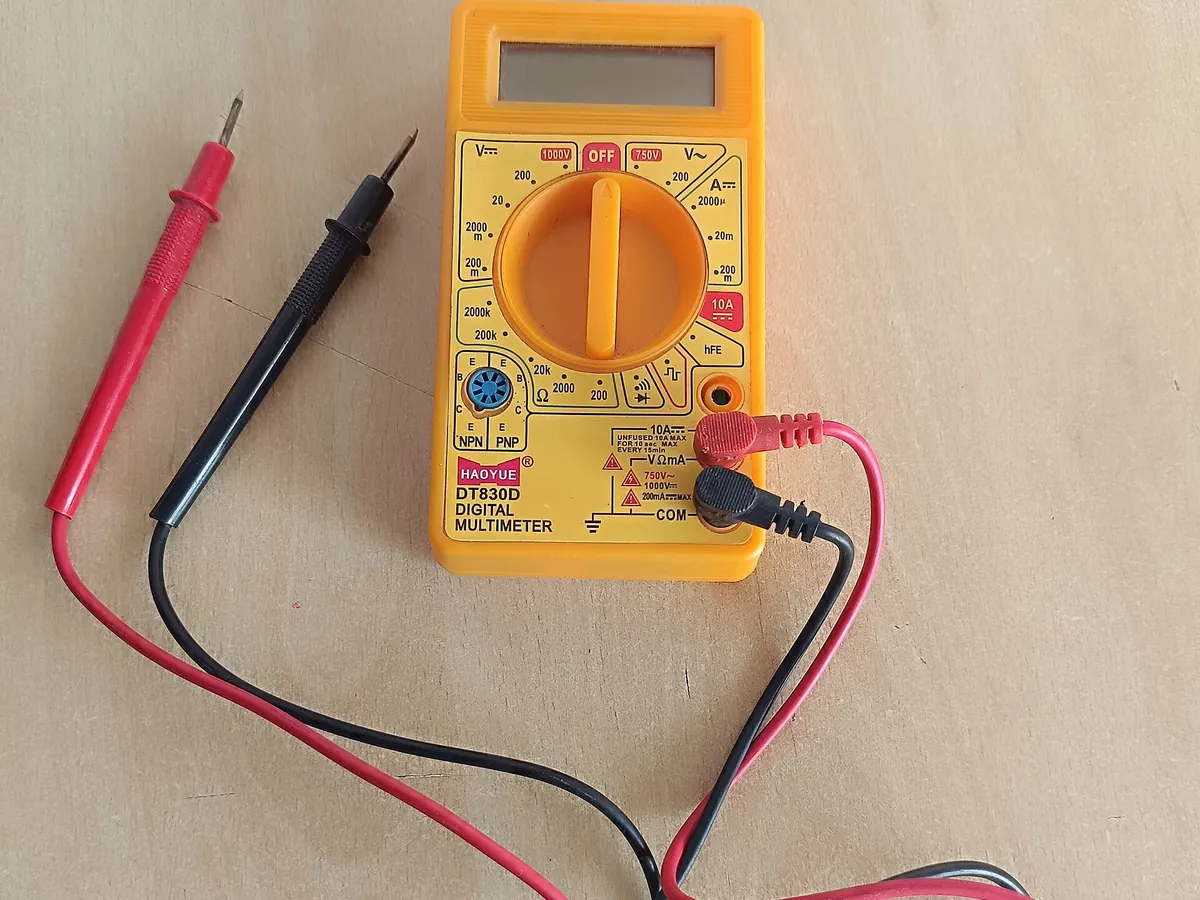
The sensor rod sits in the burner flame, and the flame carries a tiny direct current, the "flame current", that the control reads to prove the burners are lit. A technician measures it with a DC microammeter in series with the sensor wire (Carrier, Goodman).
| Manufacturer document | What it says about flame current |
|---|---|
| Carrier, troubleshooting guide 58-3T | Typical 4.0 to 6.0 microamps. Below 0.5: clean with fine sandpaper and recheck. Still not near typical: replace the electrode. |
| Goodman, DR96TN/DD96TN service instructions | Integrated ignition controls read 3 to 8 microamps. Low: check wiring, sensor-to-burner gap, a dirty sensor and grounding. None at all with good parts: replace the ignition control module. |
The numbers differ by brand and model, so the right target is the one in your furnace's own service literature. Filterbuy summarises the general spread as about 1.5 to 6 microamps (Filterbuy). A reading before and after cleaning is the cleanest proof that a sensor needs replacing, and a fair thing to ask for.
Signs Your Flame Sensor Is the Problem
- The burners light, then go out within seconds, and the furnace tries again (Filterbuy).
- A flame-proving code. On Carrier furnaces that is status code 34; after 3 more failed tries the control locks out on code 14 and waits 3 hours before it resets itself (Carrier). See our pages on Carrier code 34, Lennox code 228 and Goodman code GC.
- The problem comes back soon after a cleaning. That points to a worn sensor, or to a cause around it (HVAC Inspections LA).
If the burners never light at all, the flame sensor is not the first suspect: look at the ignitor and gas supply instead. Our gas furnace won't ignite guide sorts the seven common causes by symptom.
Flame Sensor vs Ignitor: Two Different Parts
The hot surface ignitor glows orange or white hot to light the gas (Carrier). The flame sensor works after that: it proves the flame is there, and Goodman notes the ignitor is switched off once it does (Goodman). A failed ignitor means no flame; a failed flame sensor means a flame that goes out. They are separate parts with separate prices, so make sure your quote names the one that failed.
Getting the Right Part
Universal flame sensors fit many furnaces, but Filterbuy recommends matching the part to the model number on your furnace's data plate, usually inside the access panel (Filterbuy). The rod also has to sit in the right spot in the flame: Goodman lists the sensor-to-burner gap among the causes of a low reading (Goodman).
How Long a Flame Sensor Lasts
Estimates vary. Filterbuy says most manufacturers suggest 3 to 5 years (Filterbuy), Climate Systems gives the same 3 to 5 years (Climate Systems), and HVAC Inspections LA says about five years with annual cleaning (HVAC Inspections LA). In practice, the microamp reading and how fast the rod fouls tell you more than its age. Having it checked during a furnace tune-up before winter beats finding out on the first cold night.
Can You Replace a Furnace Flame Sensor Yourself?
Filterbuy describes it as one screw and one wire (Filterbuy). Goodman's service instructions mark flame sensor work "qualified servicer only" (Goodman). The real risk is not the screw: it is spending money on a sensor when the fault is the ground wire, the wiring or the control, which a new sensor will not fix.
In New Jersey, anyone performing HVACR services who does not qualify for an exemption must be licensed by the state board (N.J.S.A. 45:16A-7, NJ HVACR Board). If you hire it out, ask for the license number.
Safety first: a furnace that keeps relighting and shutting off is a gas appliance with a problem. Keep working CO alarms on every level of the home and outside sleeping areas, and if anyone has a headache, dizziness, nausea or confusion, get outside and call 911 (CPSC). Our furnace carbon monoxide safety guide has more.
New Sensor, Same Problem? What to Check Next
If a new sensor does not stop the short cycles, Filterbuy points to a cracked igniter, a faulty control board or a grounding issue (Filterbuy). Carrier's code 34 checklist adds the gas valve, low inlet gas pressure, rough ignition or poor flame carryover, and a disconnected green ground wire (Carrier). Those repairs cost more: Filterbuy puts a full ignition system or control board repair at $300 to $600 or more.
Our gas furnace troubleshooting guide covers the wider list. If the furnace is old and stacking up repairs, compare against our furnace replacement cost guide for NJ.
Flame Sensor Trouble in Union County
In Union County, 82.9% of occupied homes heat with utility gas, against 74.0% statewide (Census, ACS 2024), so a gas furnace that lights and drops out is a common winter call here. Dimatic Control's gas furnace repair covers ignition problems and safety controls, including flame sensor cleaning. Tell us what the furnace is doing and any code it is flashing when you call.
Furnace Lights, Then Shuts Off?
Dimatic Control provides gas furnace repair across Union County. Call or send a quote request and tell us what the furnace is doing.
Furnace Flame Sensor Replacement: Frequently Asked Questions
How much does it cost to replace a flame sensor in a furnace?
Most furnace flame sensor replacements cost $75 to $250 with a technician, including the part and labor (Filterbuy; HVAC Inspections Los Angeles). The part alone is about $10 to $40. Quotes up to about $400 show up in high-cost markets (HVAC Inspections Los Angeles). These are national market figures read October 26, 2026, not a Dimatic Control quote.
How do I know if my furnace flame sensor is bad?
The usual sign is a furnace that lights, runs for a few seconds, and shuts the gas off, then tries again (Filterbuy). Carrier furnaces flash status code 34 for this and lock out on code 14 after the control has tried 3 more times. The sure test is a technician's DC microamp reading: Carrier calls 4.0 to 6.0 microamps typical and anything below 0.5 a reason to clean the sensor and retest.
Should I clean or replace my furnace flame sensor?
Clean it first if it is only coated, then retest. Replace it if the current stays low after a proper cleaning (Carrier), if the rod or porcelain is cracked, bent or pitted, or if it is the second cleaning in the same heating season (Filterbuy). If the sensor is clean and the current is still low, the cause is often the ground wire, the wiring or the sensor position, not the sensor (Goodman, Carrier).
Can I replace a flame sensor myself?
Filterbuy describes the swap as one screw and one wire, and the part is cheap. Goodman's service instructions mark flame sensor work as qualified servicer only, and the job is done next to the burners and gas valve with the power and gas off. A new sensor also will not fix a ground, wiring or control problem. In New Jersey, anyone performing HVACR services for others must be licensed unless an exemption applies (N.J.S.A. 45:16A-7).
How often should you replace a furnace flame sensor?
Published estimates differ. Filterbuy says most manufacturers suggest 3 to 5 years, Climate Systems also gives 3 to 5 years, and HVAC Inspections Los Angeles says about five years with annual cleaning. The better guide is the sensor itself: if it keeps fouling quickly or fails the microamp test after cleaning, replace it.
What is the difference between a furnace ignitor and a flame sensor?
The hot surface ignitor glows orange or white hot to light the gas (Carrier). The flame sensor comes after: it proves the burners are actually lit by passing a tiny current through the flame. Goodman notes the ignitor shuts off once the flame is proven. A bad ignitor means the burners never light; a bad flame sensor means they light and then go out.
Are furnace flame sensors universal?
Universal sensors exist and fit many furnaces, but Filterbuy recommends matching the part to your furnace's model number from the data plate. Sensor kits for boilers, water heaters and commercial equipment are different parts at different prices: The Home Depot listed kits from $57.62 to $361.11 on October 26, 2026.
How long will a furnace run if the flame sensor is bad?
Only seconds at a time. When the sensor cannot prove the flame, the control closes the gas valve within seconds (Filterbuy). A Carrier furnace then tries 3 more times before locking out on code 14 and waits 3 hours before it auto-resets, so the house can go without heat for hours.
Sources
Every figure on this page was read from the sources below on October 26, 2026. Prices are national market figures, not a Dimatic Control quote.
- Filterbuy, furnace flame sensor replacement guide (February 5, 2026, updated July 23, 2026): Part $10-$30; professional replacement $75-$250 including part and labor; cleaning fixes most first-time failures; replace after cleaning twice in one heating season or if the rod is cracked, bent or heavily pitted; most manufacturers suggest 3-5 years; technicians test for about 1.5-6 microamps depending on the system; a full ignition system or control board repair can run $300-$600 or more; match the part to the furnace model number.
- HVAC Inspections Los Angeles, flame sensor replacement cost (August 2, 2026, updated August 4, 2026): $75-$250 typical, up to about $400 in high-cost markets; part $10-$40; often included in a $100-$200 service or diagnostic call; ask whether cleaning was tried and to see the sensor; a sensor lives about five years with annual cleaning.
- Climate Systems, when to carry out furnace sensor replacement (October 7, 2024): Replacement can cost $80-$250; replace a bent, cracked or damaged sensor, or one that keeps failing after several cleanings; sensors typically last 3-5 years.
- Quora, how much does it cost to replace a furnace flame sensor?: One answer puts it at $350-$500 plus travel and diagnostic; others put the part at under $50 and the rest at labor and the service call.
- The Home Depot, flame sensor listings (gas ignition controls): Listed flame sensor kits for boilers, water heaters and commercial equipment included $57.62 (Utica-Dunkirk), $102.44 (Bradford White), $199.21 (Lochinvar) and $361.11 (Fulton).
- Carrier, gas furnace troubleshooting guide, Form 58-3T (status codes 34 and 14): Code 34: flame not sensed; the control tries 3 more times, then locks out on code 14 and auto-resets in 3 hours. Test with a DC microammeter in series; below 0.5 microamps, clean the sensor with fine sandpaper and recheck; typical current is 4.0-6.0 microamps; if it is not near typical, replace the electrode. Also check that the green ground wire is connected and the sensor is not grounded.
- Goodman, service instructions for DR96TN/DD96TN furnaces (checking the flame sensor): Flame sensor service is marked qualified servicer only; the integrated ignition controls read 3-8 microamps; a low reading points to wiring, sensor-to-burner gap, a dirty sensor or poor grounding; a coated sensor is cleaned with steel wool; no reading with good components means replacing the ignition control module.
- NJ State Board of Examiners of HVACR Contractors, FAQ: N.J.S.A. 45:16A-7: anyone performing HVACR services who does not qualify for an exemption must be licensed by the board.
- U.S. Consumer Product Safety Commission, carbon monoxide information: CO alarms on every level of the home and outside sleeping areas; symptoms include headache, dizziness, weakness, nausea, vomiting, sleepiness and confusion; if you suspect CO poisoning, get to fresh air and call 911.
- U.S. Census Bureau, American Community Survey 2024 1-year, table B25040 (via Census Reporter): 170,828 of 206,050 occupied Union County homes (82.9%) and 74.0% of New Jersey homes heat with utility gas.